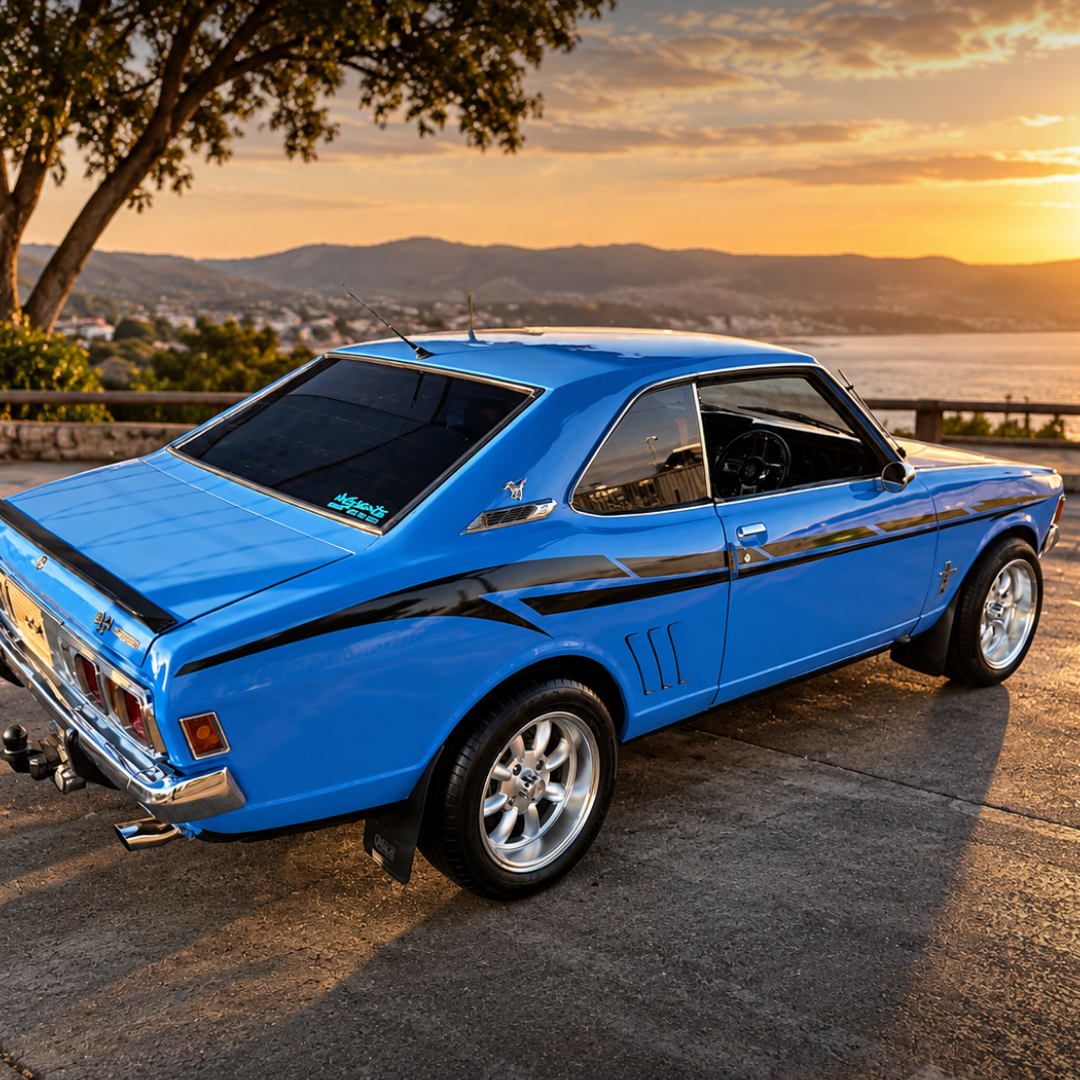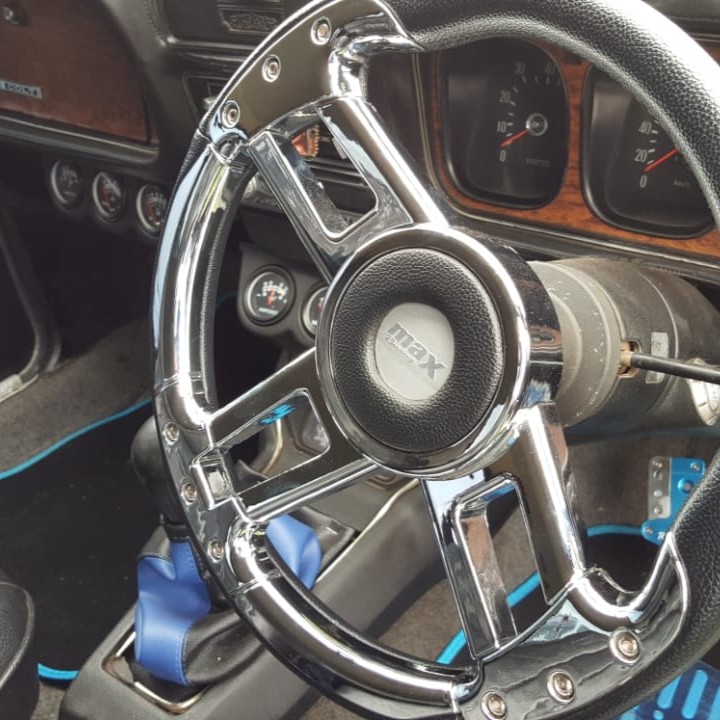
Some cars are remembered for their speed, others for their styling, and a select few earn their place in automotive history through the people who dedicate their lives to preserving them. The Dodge Colt GS 1600 belongs to the latter category. Born from an early partnership between American automotive giant Chrysler and Japanese manufacturer Mitsubishi, the Colt became a practical, economical compact car that quietly established a legacy of its own. Today, early examples are increasingly rare, particularly in South Africa, where a passionate community of collectors continues to keep these distinctive classics on the road.
Among those collectors is the proud owner of a 1975 Dodge Colt GS 1600 coupe, a car that has provided 16 years of enjoyment and fulfilment. With a collection of 12 Colts spanning three generations, seven Dodge Colt GS models, and a remarkable example of ownership stretching back more than 50 consecutive years, this enthusiast represents the dedication that keeps automotive history alive.
A Partnership That Changed the Game
The story of the Dodge Colt began with a growing demand for smaller, more economical vehicles during the late 1960s and early 1970s. As fuel economy and affordability became increasingly important to motorists, American manufacturers needed alternatives to the larger, heavier vehicles that had traditionally dominated their domestic market.
Chrysler recognised an opportunity in Japan's growing automotive industry. Following its acquisition of a 15% stake in Mitsubishi Motors, Chrysler began introducing selected Mitsubishi models to international markets under its own brands. This arrangement allowed Chrysler to offer compact vehicles without having to develop an entirely new range from the ground up.
The Dodge Colt was one of the most significant results of this partnership. Based on the first-generation Mitsubishi Colt Galant, it brought Japanese engineering to Dodge dealerships in North America and other markets, including South Africa.
Rather than being an American car in the traditional sense, the Colt represented a new approach to the automotive industry: combining established international engineering with the sales networks and brand recognition of a major American manufacturer.
For motorists seeking dependable transportation, sensible running costs and compact dimensions, the Colt offered a compelling alternative to larger vehicles. Yet beneath its practical exterior was a car with more character than its economical positioning might initially suggest.
Compact Dimensions, Distinctive Styling
The early Dodge Colt range was offered in several body styles, including two-door coupes, sportier coupe variants, four-door sedans and station wagons. This variety allowed the model to appeal to different buyers, from families looking for affordable transport to younger motorists who preferred something more stylish.
The coupe, in particular, possessed an appealing combination of compact proportions and unmistakable early-1970s design. Its clean lines, relatively simple bodywork and purposeful stance reflected an era when small Japanese cars were beginning to establish a stronger international identity.
The GS, or Grand Sport, took this formula a step further. With its sportier specification and more performance-oriented character, it offered buyers something beyond basic economy motoring.
The result was a compact car that could be both practical and entertaining, without the expense or complexity associated with larger performance vehicles.
Today, the original styling is an important part of the Colt's appeal. In a world of increasingly similar modern vehicles, its proportions and period details give it a distinctive presence. A well-preserved example can attract attention precisely because it is so rarely encountered.
The Mitsubishi Saturn Engine: Small Capacity, Big Character
At the heart of the early Dodge Colt GS was Mitsubishi's 1.6-litre Saturn-family four-cylinder engine. The 1,597 cc single-overhead-camshaft (SOHC) unit represented an important step in Mitsubishi's development of compact engines.
Its cross-flow cylinder head helped the engine breathe more effectively than many conventional designs of the period, contributing to its willingness to rev and its suitability for a lightweight car.
The GS specification featured upgraded SU carburettors, giving the sporty model a more performance-focused character. Period power figures can vary depending on market, specification and whether gross or net measurement standards were used. For that reason, original specifications should be considered in their correct regional context rather than treated as identical across every market.
What made the Colt particularly interesting was not simply its engine output, but the way its mechanical package worked as a whole. A relatively light body, compact dimensions and a responsive four-cylinder engine created a driving experience that did not require enormous horsepower to be enjoyable.
The GS coupe was reported to accelerate from 0 to 100 km/h in approximately 10.5 seconds. By modern standards, that figure may seem modest, but in the context of a small sporting coupe from the early 1970s, it helped establish the car as more than just an economical runabout.
Power was delivered to the rear wheels, with manual and automatic transmissions available depending on the model and market. Rear-wheel drive gave the Colt a traditional mechanical layout that many classic-car enthusiasts continue to appreciate.
Its appeal lies in that straightforward engineering: a compact engine, a relatively uncomplicated drivetrain and a driving experience that allows the character of the car to shine through without unnecessary complication.
The South African Connection
South Africa has a long and distinctive motoring history, shaped by local assembly, imported vehicles and a market in which certain models developed loyal followings long after their original production runs ended.
The Dodge Colt GS occupies an interesting place in this history. Early examples are now uncommon, and surviving cars can be especially difficult to find in original or well-maintained condition.
Decades of everyday use, changing ownership, mechanical wear and the availability of newer vehicles have contributed to the disappearance of many early Colts from South African roads. As with numerous older compact cars, some were preserved by enthusiasts, while others were modified, dismantled or simply allowed to deteriorate.
This scarcity has made surviving examples particularly interesting to collectors. Originality, condition, documented history and the availability of correct parts can all influence a car's significance.
For enthusiasts who remember the Colt from its early years, seeing one today can evoke a period when Japanese engineering was gaining international recognition and compact cars were becoming increasingly sophisticated.
For younger collectors, the model offers a different attraction: the opportunity to own a relatively unusual piece of automotive history that stands apart from the more familiar classic performance cars.
The South African GS models are particularly worthy of attention because they form part of a broader international story. They connect Mitsubishi's Japanese engineering, Chrysler's global ambitions and South Africa's own motoring culture in a single, compact package.
A Collector's Passion That Spans Generations
For one dedicated enthusiast, the Dodge Colt is far more than a classic car. It has become a lifelong passion built around preservation, ownership and the satisfaction of keeping an increasingly rare model alive.
The owner is particularly proud of a 1975 Dodge Colt GS 1600 cc coupe, which has been in their possession for 16 years. During that time, the car has delivered what the owner describes as nothing but joy and fulfilment.
That relationship reflects something fundamental about classic-car ownership. The value of a vehicle cannot always be measured by market prices, performance figures or rarity alone. Years of driving, maintaining and enjoying a car create a personal history that becomes inseparable from the machine itself.
The collection currently comprises 12 Colts spanning three generations of the Colt family: the Dodge Colt GS, the Chrysler Colt and the Colt Galant.
Bringing together these different generations provides a fascinating opportunity to observe how the model evolved. It also demonstrates a level of commitment that goes beyond acquiring a single desirable vehicle. Preserving an entire family of related models requires knowledge, patience, storage, maintenance and a genuine interest in the history behind each car.
The owner reports holding a record for the number of Colts in the collection, as well as owning seven Dodge Colt GS models. These are impressive personal milestones, although independent verification would be necessary before they could be described as officially recognised national or world records.
The collection's significance, however, extends beyond the numbers. It represents a sustained effort to preserve vehicles that might otherwise have disappeared from the roads and from public memory.
More Than 50 Years of Continuous Ownership
Perhaps the most remarkable part of the owner's story is the claim of retaining one Dodge Colt for more than 50 consecutive years and continuing to own it today.
Such long-term ownership is exceptional in the classic-car world. Vehicles change hands for many reasons, including financial pressures, changing family circumstances, restoration projects and the simple desire to experience something different.
Keeping the same car for more than five decades tells a different story. It suggests an enduring attachment that has survived changing circumstances, generations of motoring technology and the passage of time itself.
A car that remains with the same owner for so long becomes a rolling archive of personal memories. It may have travelled familiar roads thousands of times, witnessed important moments in its owner's life and survived periods when few people would have predicted that it would become a collectible classic.
The vehicle also carries historical value beyond its physical components. Its continued existence provides a tangible link to the era in which it was built and to the people who have cared for it.
While ownership records and supporting documentation would be needed to formally establish a world-record claim, the story itself illustrates the dedication required to preserve a classic for more than half a century.
Why the Dodge Colt GS Still Matters
The Dodge Colt GS may never have enjoyed the same international fame as some of the era's celebrated sports cars, but its significance should not be underestimated.
It represents an important moment in the development of global automotive manufacturing, when partnerships between companies from different countries began reshaping the vehicles available to consumers. It also demonstrates how a small, practical car could incorporate sporting qualities without abandoning affordability and everyday usability.
Its Mitsubishi Saturn engine, rear-wheel-drive layout and compact proportions give it a mechanical identity that distinguishes it from many modern vehicles. Its GS specification adds another layer of interest for enthusiasts who appreciate the combination of lightweight construction and modest but engaging performance.
Most importantly, the Colt's survival depends on people who recognise its value. Collectors who preserve original examples, document their histories and share their knowledge ensure that future generations can appreciate vehicles that might otherwise become little more than photographs in old brochures.
The owner of the 1975 GS coupe is a particularly compelling example of this commitment. Sixteen years with one beloved car, a collection of 12 Colts across three generations, seven Dodge Colt GS models and a reported ownership history exceeding 50 consecutive years all point to a passion that extends well beyond casual collecting.
A Small Car with an Enduring Legacy
The 1972 Dodge Colt emerged from a partnership between Chrysler and Mitsubishi at a time when the automotive industry was beginning to embrace a more international future. It offered economical motoring, practical body styles and Japanese engineering, while the GS variant added a sportier dimension to the range.
More than five decades later, surviving examples have become reminders of that transitional period. Their rarity, distinctive styling and straightforward mechanical character make them increasingly interesting to enthusiasts, particularly in South Africa.
Yet the Colt's most meaningful legacy may be found not in its specifications, but in the people who continue to cherish it.
For the proud owner of a 1975 Dodge Colt GS 1600 coupe, the car represents 16 years of enjoyment and a much larger commitment to preserving the Colt name. With a collection spanning three generations and an extraordinary claim of more than half a century of continuous ownership of one example, the story demonstrates how a relatively humble compact car can become something truly special.
The Dodge Colt GS was never simply about getting from one destination to another. For those who appreciate its history, it is a symbol of an era, a testament to enduring engineering and a reminder that the greatest classic cars are often the ones that inspire someone to keep them alive.
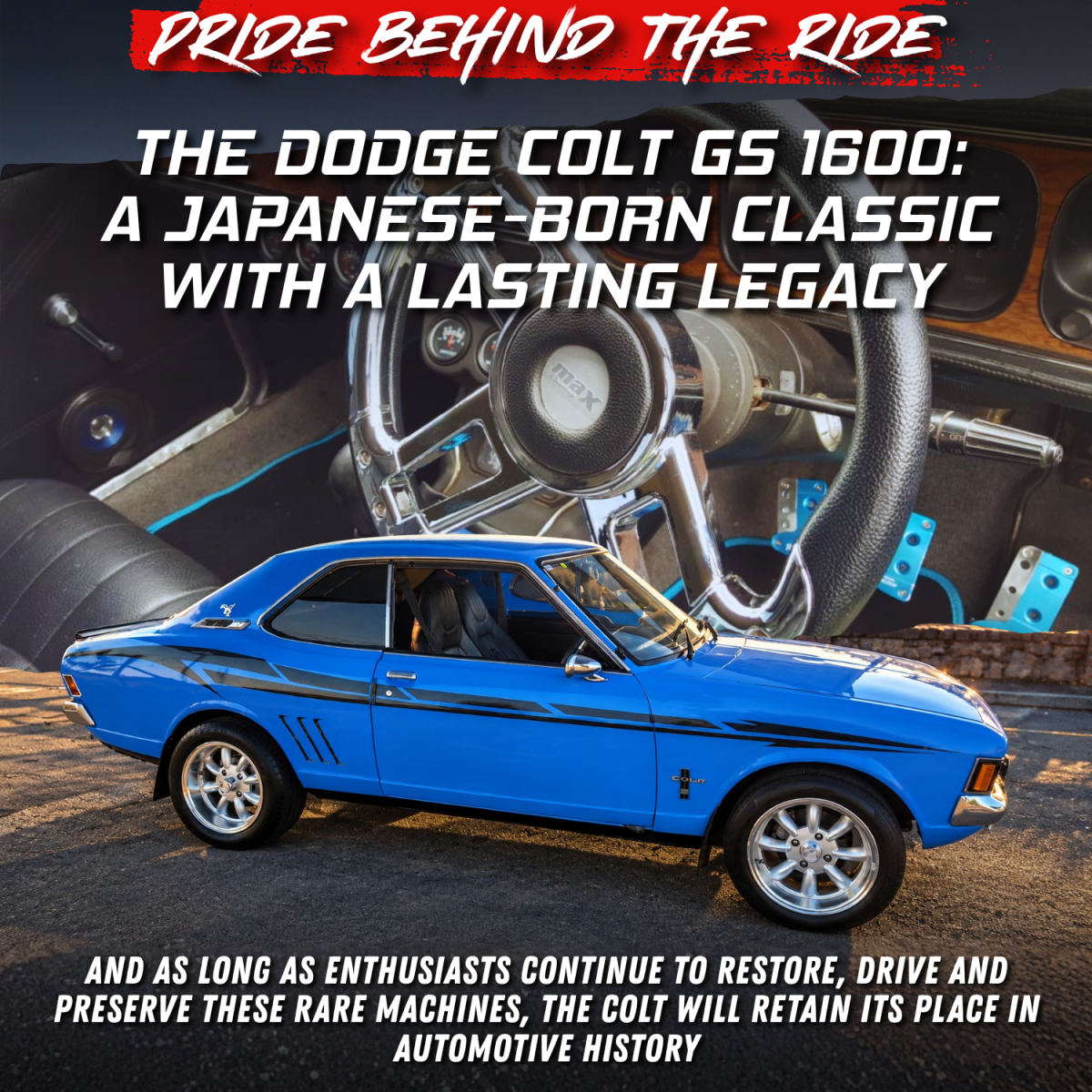
And as long as enthusiasts continue to restore, drive and preserve these rare machines, the Colt will retain its place in automotive history — one carefully maintained example at a time.